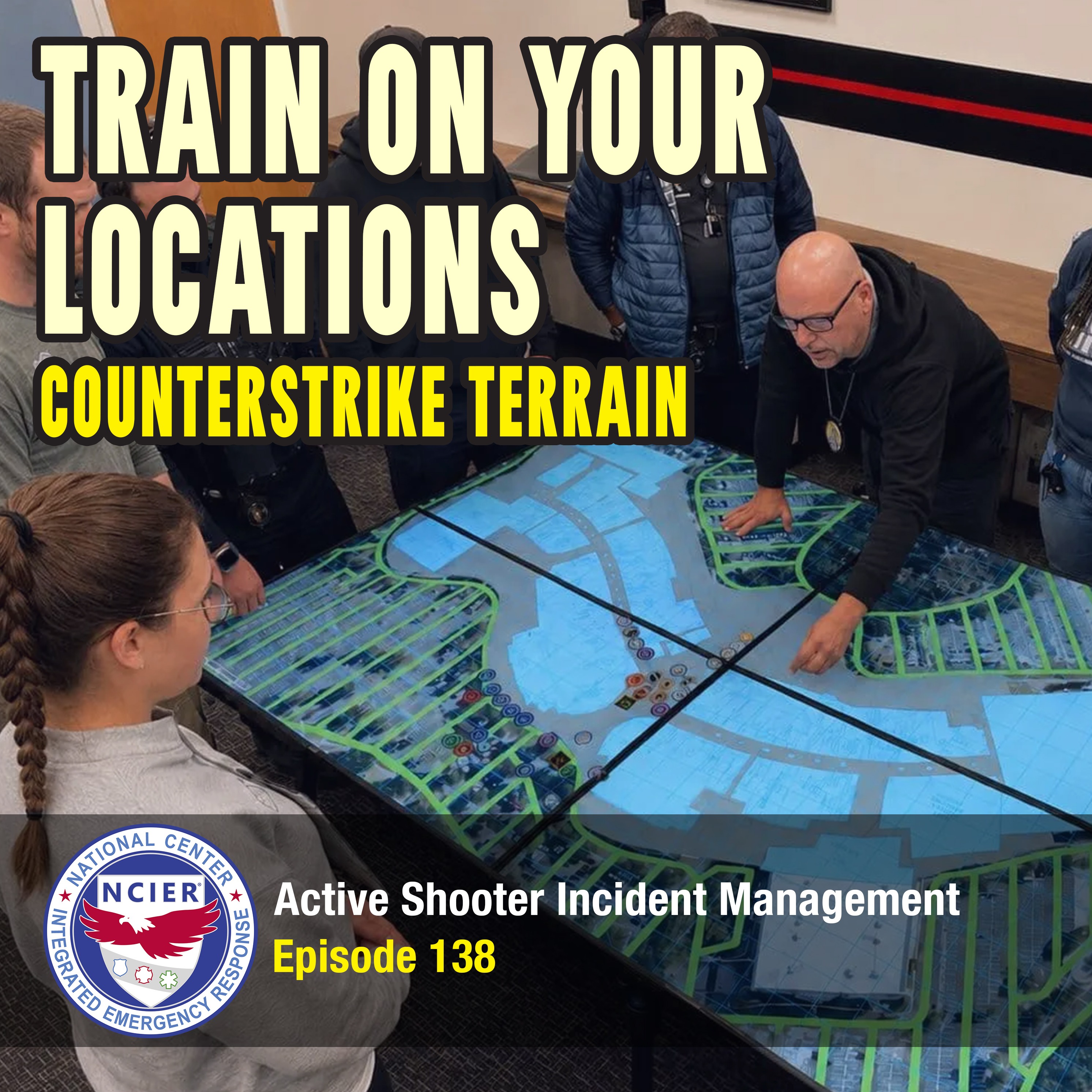
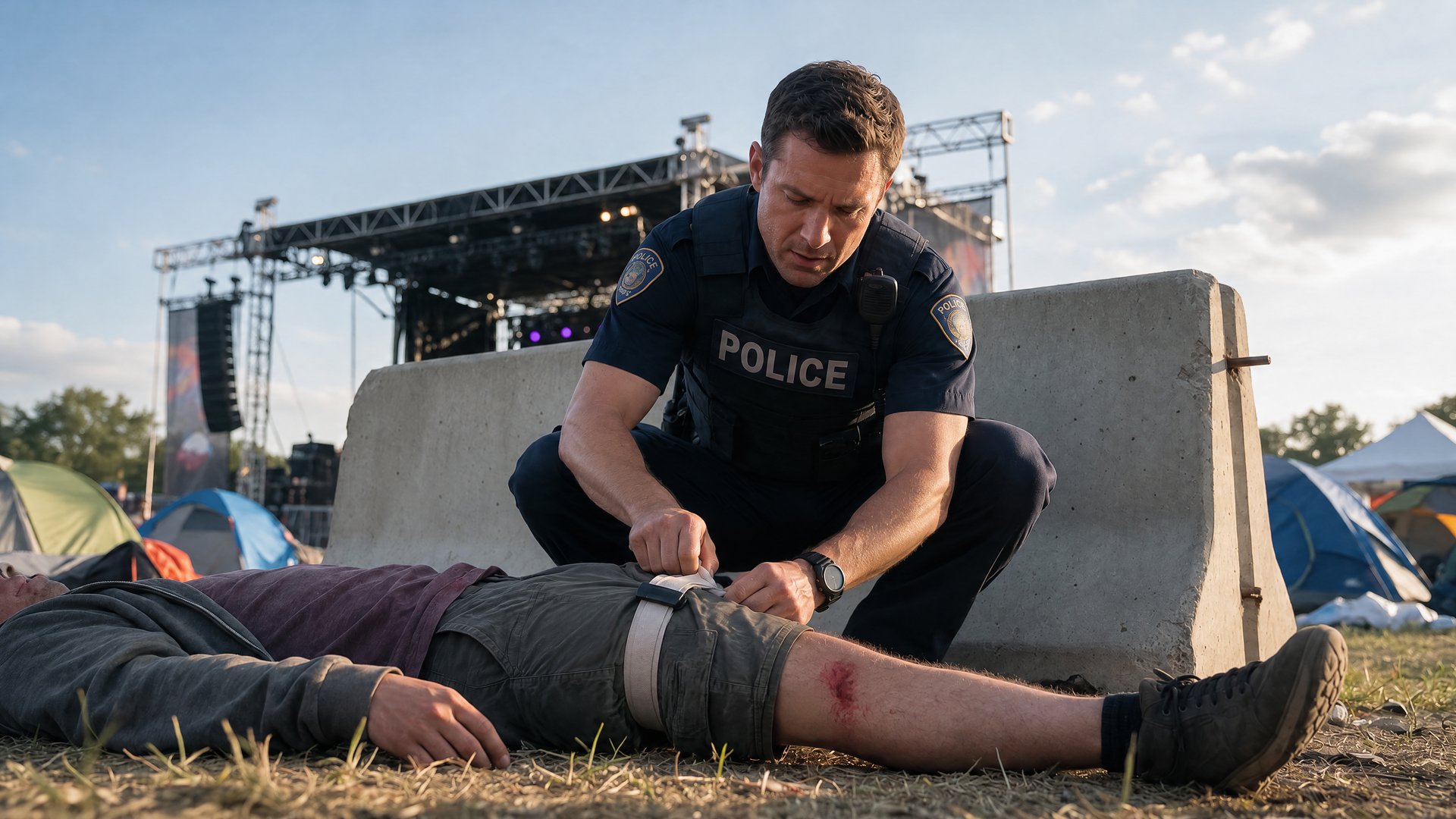
In an active shooter incident, Direct Threat Care takes place in the Hot Zone. The priorities are mitigating the threat, moving the wounded to cover, and managing massive hemorrhage. Care is limited to direct pressure, hasty tourniquet application, extraction, and the recovery position.

NCIER®
Glossary
October 15, 2026 • 1 min read
Direct Threat Care
Definition
Emphasis on mitigating the threat, moving the wounded to cover or an area of relative safety, and managing massive hemorrhage utilizing tourniquets. Additionally, emphasis was placed on the importance of various rescue and patient movement techniques, as well as rapid positional airway management if operationally feasible. Treatment and operational requirements are the same for all levels of providers during this phase of care.
Official Definition
Source: Committee for Tactical Emergency Casualty Care (C-TECC), TECC Guidelines
Discussion
Author
Lead Instructor
Reviewed By
Lead Instructor
Last updated:
Frequently Asked Questions
In the Hot Zone, where the threat is active or responders are in immediate danger (e.g., an IED).
Direct pressure, hasty tourniquet application, extraction, and the recovery position.
The threat is still active. Every minute spent on care extends exposure for the responder and the patient.
Whoever is in the Hot Zone, usually law enforcement officers. Wounded individuals may apply self-aid if possible.
Direct Threat Care occurs under active threat or immediate danger. Indirect Threat Care occurs in the Warm Zone where some security measures are in place, which allows for a larger range of available treatments.
Top
Find the Perfect Training Class For You