
Which part(s) of the course was MOST valuable to you. Please explain why.
How to stage stage and how to work well with RTF groups.
Showing 10 of 2883 Results
Which part(s) of the course was MOST valuable to you. Please explain why.
How to stage stage and how to work well with RTF groups.
Which part(s) of the course was MOST valuable to you. Please explain why.
The importance of staging. Preventing overloading the scene and controlling who goes where.
Which part(s) of the course was MOST valuable to you. Please explain why.
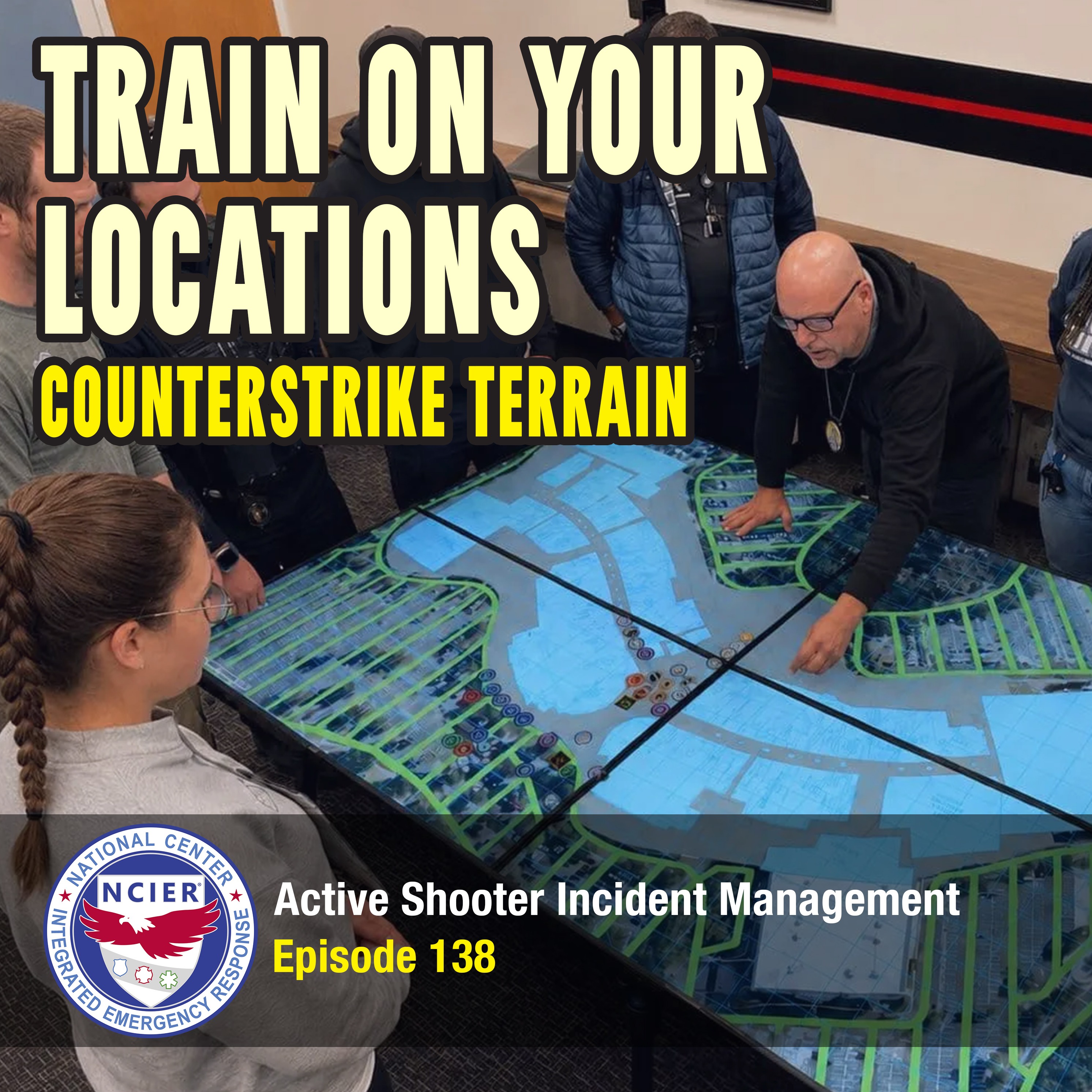
The simulation lab provided a valuable asset that allowed responders to work together in situation that would not be feasible in real life.
Which part(s) of the course was MOST valuable to you. Please explain why.
The computer-based simulations were an amazing quality and use of technology. It added a level of practicality that was a reasonable substitute for full-scale exercises.
Which part(s) of the course was MOST valuable to you. Please explain why.
Using NIMS don't get a chance use it much in a large scale.
Which part(s) of the course was MOST valuable to you. Please explain why.
The coordination of various response agencies and disciplines.
Which part(s) of the course was MOST valuable to you. Please explain why.
The practical applications and simulated scenarios. You can learn all about the information but rarely do classes allow you to practice and make mistakes.
Which part(s) of the course was MOST valuable to you. Please explain why.
Skill sessions were most valuable as a learning tool to handle different positions needed on the scene.
Which part(s) of the course was MOST valuable to you. Please explain why.
Networking and working together with other agencies.
Which part(s) of the course was MOST valuable to you. Please explain why.
Scenarios.
*Unedited comments (including typos and spelling) written by students in their course evaluation
Find the Perfect Training Class For You